
Article URL: https://everydaywerk.com/poshmark-review/
Quick Take
When I think about making extra money, I don't always start by asking what else I can do. Sometimes I start by asking what I already own.
Poshmark gives me another marketplace for things I'm finished using but someone else may still value. And although the platform still has strong fashion roots, today's marketplace reaches well beyond the closet into categories such as Home, Pets and Electronics.
My strategy: Inventory the whole house. Don't automatically count out something because it's used. Represent the condition honestly. Research realistic value. List where the buyer may be. And remember that an asking price isn't money—a sold item is.
Table of Contents
Before You Add Another Job, Inventory What You Already Own
When you hear Poshmark, you may still think clothes, shoes and handbags.
I did too.
But if you haven't looked closely at Poshmark lately, you may be surprised by how much broader the marketplace has become.
Clothing? Absolutely. Sneakers, handbags and accessories? Of course.
Open Poshmark's Shop by Category screen today and the breadth becomes obvious. Alongside Women, Men and Kids are Home, Pets, Electronics, Luxury, Beauty and more. Its current Electronics marketplace includes computers and laptops, phones, tablets, cameras, gaming systems, headphones and other technology, while Home stretches into kitchen, dining, office, storage and additional categories.
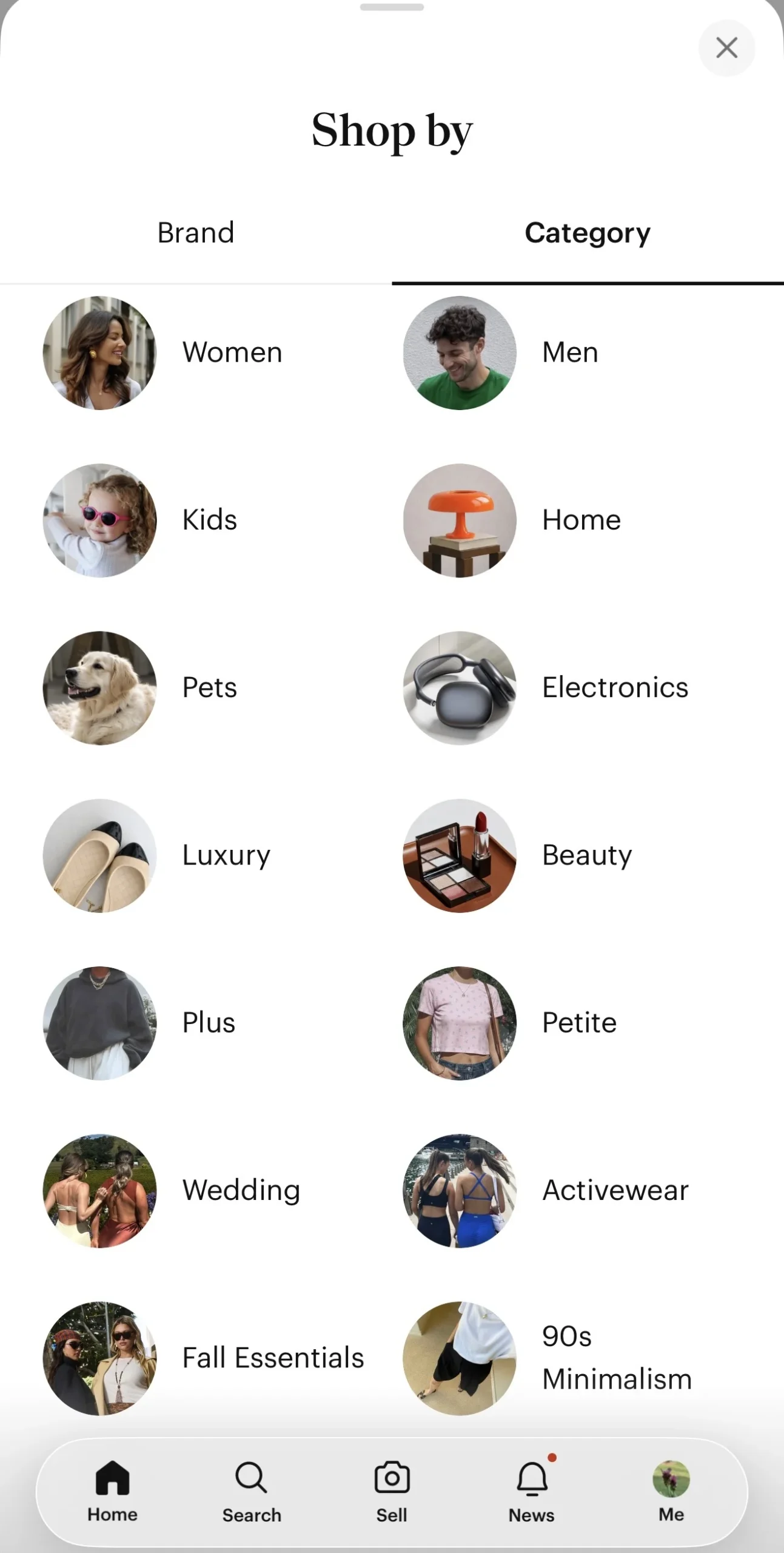
That's why I no longer think of inventorying for Poshmark as simply cleaning out my closet. I think bigger: What am I no longer using anywhere in my house?
And that changes the exercise for me.
I'm not just shopping my closet anymore.
I'm inventorying my house.
Before I automatically decide I need another job, another gig or another obligation, I want to know what value may already be sitting under my roof.
Quick Facts: Poshmark in 2026
| Best for: | Eligible new and secondhand items across fashion, shoes, handbags, home, pets, electronics and other current Poshmark categories |
| Cost to list: | Free |
| Seller fee: | $2.95 on U.S. sales under $15; 20% on sales of $15 or more |
| Shipping: | Poshmark-provided shipping label or eligible QR-code process; buyer generally pays standard shipping, subject to current promotions/discounts and package rules |
| Getting paid: | Funds become redeemable after the buyer accepts the order or the acceptance period closes without an eligible issue |
| Direct deposit: | Typically 2–3 business days |
| Faster payout: | Instant Transfer to an eligible debit card, typically within 30 minutes, for a fee |
| Other payout options: | PayPal, Venmo and mailed check |
| Luxury authentication: | Eligible items sold for $500 or more are automatically sent through Posh Authenticate before continuing to the buyer |
| My take: | A useful marketplace for looking beyond the closet and asking what you're finished using that someone else may still value |
Shop Your Own House Before You Shop for Another Income Stream
Start with the closet—but don't stop there.
Look under the bed.
Open the kitchen cabinets. Check the garage. Look in the storage room. Go through the home office. Open that drawer where old electronics seem to go when we upgrade them.
What do you actually have?
Clothing. Sneakers. Shoes. Handbags. Computers. Phones. Kitchenware. Small household items. Electronics. Home décor. Tools or accessories that fit Poshmark's current categories. Maybe technology you replaced and never quite figured out what to do with.
Some of it should be donated.
Some of it should probably be discarded or recycled.
Some of it may have more resale value than you realize.
That's why I like the idea of doing a whole-home inventory rather than simply cleaning out a closet.
Create three categories: Keep. Donate. Potentially Sell.
Then research the third pile.
Don't decide what something is worth based on what you paid for it or what you hope someone will give you. Search the marketplace. Look at comparable items. Pay attention to condition. And when possible, look at what has actually sold—not just what someone else is asking.
Because an asking price isn't money.
A sold item is.
The objective isn't to convince yourself that there's $5,000 hiding around your house.
It's to identify things you already own, no longer need and might realistically be able to convert back into usable cash.
Don't Assume “Used” Means “Not Sellable”
One mistake you can make when inventorying your home is deciding for the buyer what they won't want.
That pair of sneakers you've worn? The handbag with some signs of use? The kitchen item that's been sitting in the cabinet for years?
Don't automatically count it out.
Poshmark currently lets shoppers filter by condition, including New With Tags, Like New, Good and Fair. Poshmark describes Fair as clearly used with visible wear that should be noted in the description or photos.
That doesn't mean everything in your house belongs on Poshmark. It means something doesn't necessarily have to look brand new to have resale value.
The key is being honest.
Show the wear. Photograph the scratch. Mention the missing packaging. Describe the condition accurately. Then let the buyer decide whether the item still has value to them.
Your job isn't to decide whether someone else will want it. Your job is to represent it accurately enough for them to decide.
A small household item may work perfectly even though you no longer have the box. A computer may be several generations old but still useful to someone. Cookware can show signs of use. Shoes may have been worn. A handbag can have corner wear and still have a buyer.
Look at what you own through someone else's eyes. Something you've finished using may still have useful life—and value—for somebody else.
What I Like About Selling on Poshmark
One of the things I've always liked about Poshmark is that the app is designed to help sellers present what they're selling.
The photos matter. The condition matters. The brand matters. The details matter.
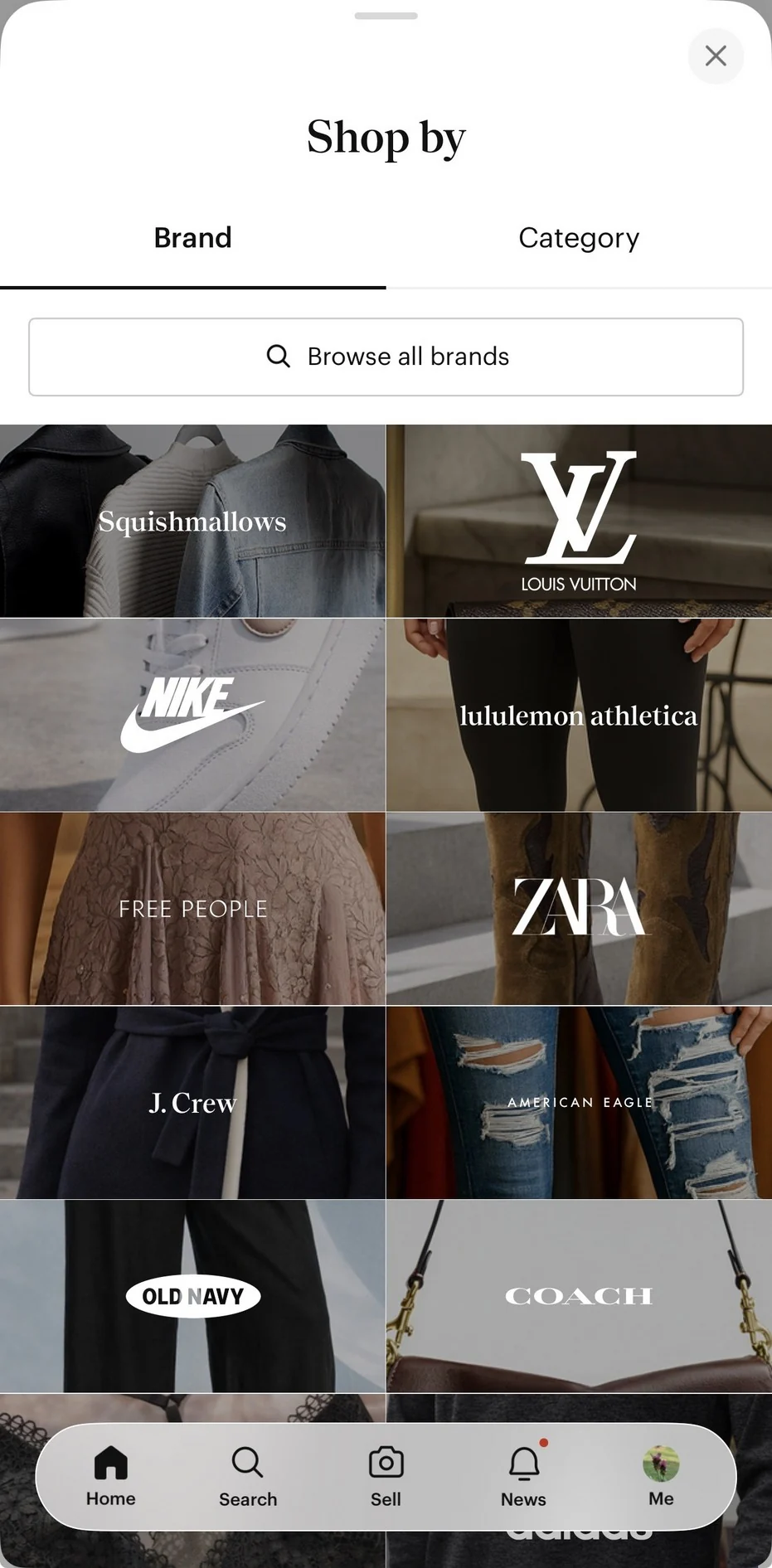
I've found the listing experience user-friendly, particularly when I'm uploading and cropping photographs and putting together a listing that presents the item attractively.
Poshmark has also continued adding seller tools. Its current features include Offers to Likers, Bundles, Trends, Posh Markets and seller insights designed to help sellers understand what's getting attention.
But there's an important distinction:
The app can make creating and managing the listing easier. It can't represent the item accurately for you.
That's still your job.
Pictures Still Do Most of the Selling
The same rule I use on Mercari applies here:
Give the buyer enough visual information to make a confident decision.
That means good lighting. Clean backgrounds. Several angles. Labels or identifying details. Material details where appropriate. And the actual condition.
If there's wear, show it.
If there's a stain, show it.
If there's a scratch on the hardware of a handbag, show it.
I don't believe in making a used item appear flawless when it isn't.
I'd rather have someone decide not to buy something after seeing its true condition than buy it based on a misleading listing and be disappointed when it arrives.
My goal isn't merely to make the sale.
My goal is for the buyer to receive what they thought they bought.
That's part of how I've maintained five-star experiences as a seller.
Write the Listing You'd Want to Shop From
Photos get attention. Descriptions answer questions.
Tell the buyer what it is, the brand when relevant, its condition and the details that matter for that type of item.
For clothing, that may include size, measurements, fabric and whether it's new with tags or previously worn. For electronics, it may include model, storage or other specifications, what's included and what you've personally verified about its condition. For home goods, dimensions and materials may matter more.
Don't hide flaws in the description any more than you'd hide them in the photographs.
Transparency saves everybody time.
Poshmark's 20% Fee Is Something I Think About Before I Price
Poshmark is free to list, but selling isn't free.
For current U.S. sales under $15, Poshmark charges a flat $2.95 fee. At $15 and above, the current seller fee is 20%, leaving the seller 80% before any other seller-paid discounts or applicable costs.
So if an item sells for $100, don't mentally spend $100.
At the basic 20% seller-fee level:
$100 sale → $20 Poshmark fee → $80 seller proceeds
That doesn't automatically make the fee bad. Poshmark is providing the marketplace, buyer audience, payment processing, shipping system, marketplace protections and selling tools.
But 20% is meaningful.
WERK NOTE
Know what you want to net before you decide what you're willing to accept.
And check Poshmark's current fees and shipping rules before you price or accept an offer. Marketplace economics can change.
Offers Are Part of the Process
Your asking price doesn't necessarily become your selling price.
Offers are part of selling on Poshmark. Some will be close to your asking price. Some won't be anywhere near it.
I don't take either personally.
I can accept. Counter. Decline. Or wait for another buyer.
I don't think that means you should inflate every listing dramatically. But I do think you should know your numbers before negotiating.
If I'm willing to take $60 for something, I need to understand what $60 actually means after Poshmark's fee and any seller-paid discount or cost.
That's the number I'm negotiating around—not simply the number displayed on the listing.
Poshmark Makes Shipping Pretty Straightforward
This is one of the things I think makes Poshmark approachable for someone who hasn't sold online before.
When an item sells, Poshmark provides the shipping process, including a label or eligible QR-code option. In the standard transaction, the buyer generally pays shipping, although promotions, seller discounts and current package rules can change the economics of a particular order.
That removes one of the questions new sellers often have:
How am I supposed to figure out what postage costs?
Poshmark gives you much of that structure.
But you still need to package the item properly and check the current shipping rules before listing something—especially if it's heavy, bulky, fragile or otherwise outside the kind of package you normally ship.
And broad marketplace categories don't mean every household item is eligible. Before listing, confirm that the item is allowed and that it fits Poshmark's current category and shipping requirements.
The Sale Isn't Cash Yet
Sold does not mean spendable.
After an order is delivered, the buyer has an opportunity to inspect it. Poshmark releases the seller's earnings when the buyer accepts the order; if the buyer doesn't accept or report an eligible issue, funds are automatically released after the applicable acceptance period.
Then you can withdraw your redeemable balance.
Poshmark currently says direct deposit typically takes 2–3 business days. Instant Transfer to an eligible debit card typically arrives within 30 minutes for a fee. PayPal and Venmo are also available for a fee, and Poshmark offers mailed checks.
So the actual path is:
List → Sell → Ship → Deliver → Buyer accepts/acceptance period ends → Funds become redeemable → Transfer → Usable cash
That's the timeline I care about when I'm thinking about resale as a way to generate money.
Higher-Value Items Get Another Layer of Protection
If your whole-home inventory turns up something valuable, don't treat that listing casually.
Poshmark currently says eligible items sold for $500 or more are automatically sent through Posh Authenticate before continuing to the buyer. Qualifying listings display the Authentication Included badge.
That's useful for eligible luxury merchandise, but I would still document the item carefully: condition, identifying details, accessories, packaging and anything else that helps accurately represent what you're selling.
As with fees and shipping, check the current authentication requirements before listing a higher-value item.
List It, Then Let It Sit
Not everything sells immediately.
Some things move quickly. Some don't.
But because Poshmark doesn't charge me simply to have a standard item listed for sale, I've already done much of the work once the listing is live.
I've photographed it. I've described it. I've priced it. I've made it available.
Now somebody has the opportunity to find it.
That doesn't mean I completely forget about the listing. Pricing, offers, sharing and listing management can still matter.
But I don't need every listing to produce money tomorrow for the work to have been worthwhile.
Sometimes the right buyer simply hasn't found it yet.
The Same Item Can Perform Differently on Different Marketplaces
I don't necessarily think of this as Poshmark or Mercari.
For the right item, I may use both.
Different marketplaces have different buyers, and the same item can perform differently from one platform to another.
A handbag that sits on one marketplace may get attention on another. A pair of shoes may perform differently. The same can be true for electronics or eligible home items.
And if I've already done the heavy lifting—cleaning the item, taking the photographs and documenting the details—I can use much of that work to expose the item to another pool of buyers.
The better question isn't necessarily: What's the best selling app?
It's: Where is the buyer for this particular item?
But here's the responsibility that comes with cross-listing:
When it sells somewhere, take it down everywhere else.
Immediately.
You only have one item. Don't accidentally sell it twice.
Don't Buy Inventory Yet. Start With What You Already Own.
If this article gets you interested in reselling, I don't want your first move to be going out and buying merchandise.
Walk through your house.
You've already invested in what's there.
Choose one area and pull out ten things you genuinely don't use anymore.
Then investigate whether there's a resale market for them.
You may discover that some aren't worth the time it would take to list them.
That's okay.
You may discover one handbag, computer or pair of sneakers could generate more than a pile of lower-value items.
That's useful information too.
And you may discover that something you assumed had very little value is exactly what somebody else has been searching for.
Learn using inventory you already own.
If you later decide you enjoy reselling enough to make it something bigger, that's another conversation.
But you don't need a resale business to make your first sale.
So, Is Poshmark Worth It in 2026?
For me, Poshmark continues to have a place in my resale rotation.
But I think about it more broadly now than simply opening my closet.
It's another place where I can ask whether something I'm finished using still has value to someone else.
The 20% fee on sales of $15 or more is meaningful, so I don't ignore it. But fees aren't the only thing I consider.
I also care about the audience. Ease of listing. Presentation. Shipping. Negotiation tools. Marketplace protections. And ultimately whether the platform helps connect something I'm no longer using with someone who actually wants it.
I'm not trying to squeeze money out of every object I own.
I'm looking at the things I've already decided I can live without and asking whether they might still have useful life—and value—for somebody else.
Before I add another job, another gig or another obligation to my life, I want to know what's already sitting under my roof.